
OW (ON WELLNESS) - Greece
Krisann Kontaxis: Raising a Remarkable Artist with Severe Epilepsy
Nicholas Kontaxis experienced his first epileptic seizure at just 14 months old. Since then, he has endured thousands more of extreme severity, which took away his ability to speak. No one could have imagined back then that this child would one day become a remarkable artist. His mother, Krisann Kontaxis, spoke on his behalf to OW.
Interview to E. Boulia
When a baby is diagnosed with an inoperable tumor deep within the brain, one that triggers relentless and severe epileptic seizures, the entire family’s life is turned upside down. The very last thing you can imagine is that this child will one day discover a true calling and grow into a remarkable, gifted artist.
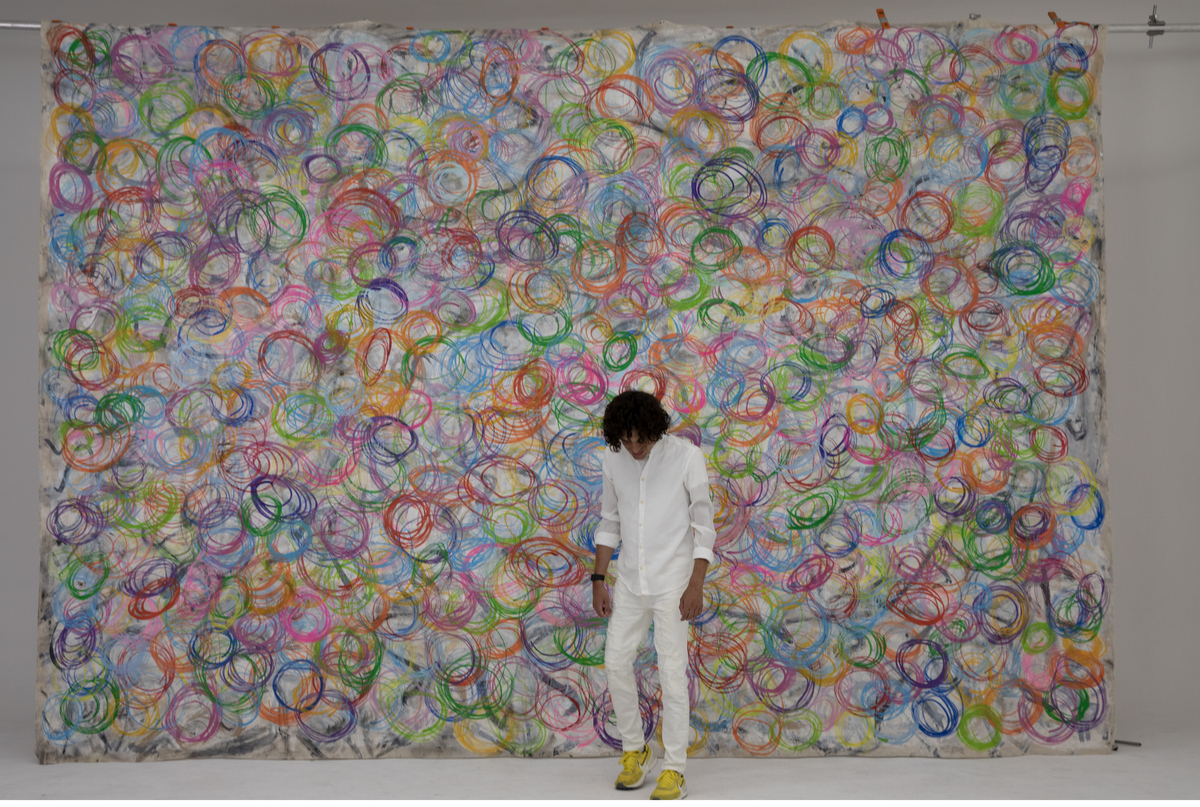
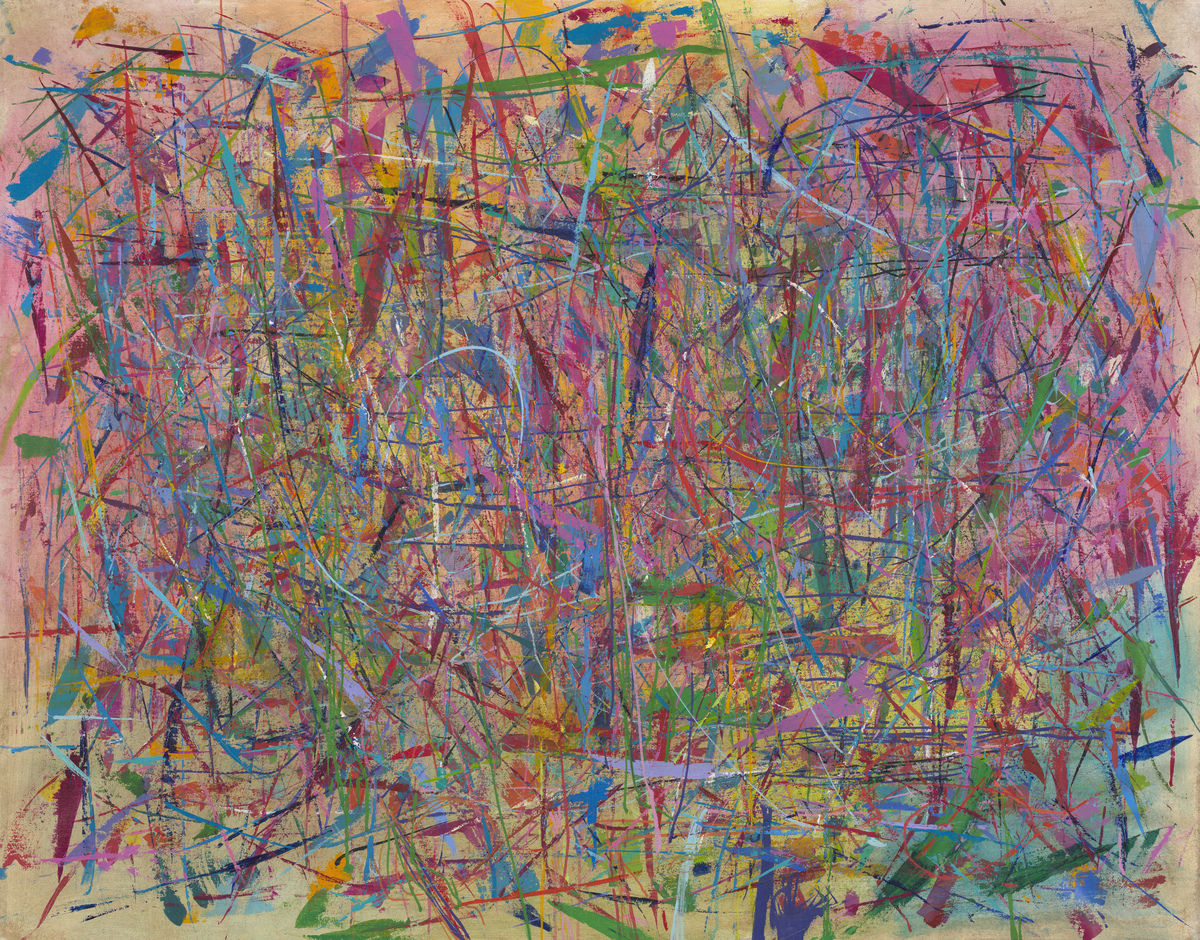
Such is the story of 29-year-old Nikola Kontaxis (or Nicholas Kontaxis, as he is known in the U.S., being Greek-American), whose artwork in recent years has captivated both audiences and critics. Some of his paintings now belong to the private collections of world-renowned names such as Adele, Roger Federer, and even Adidas.
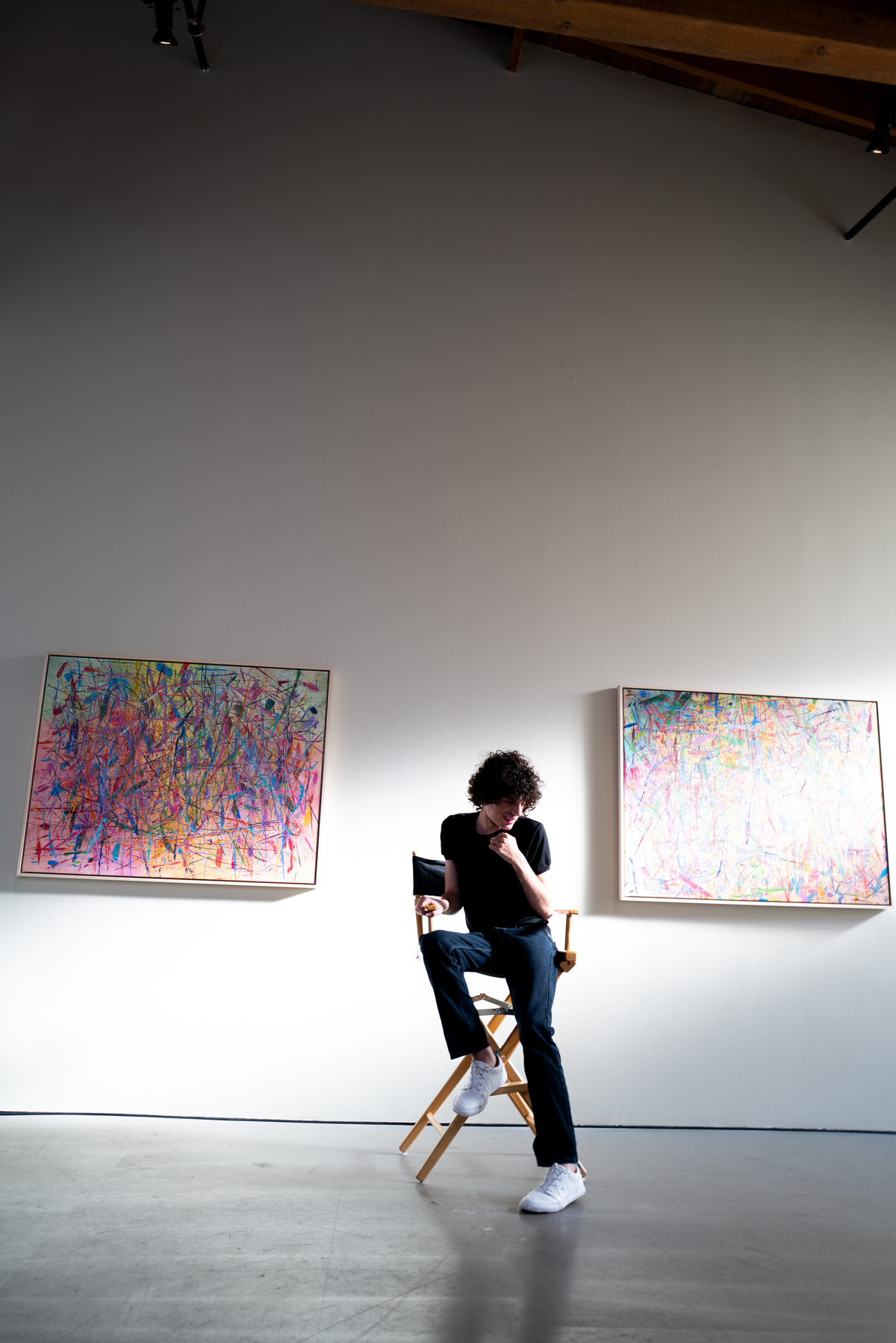
His exhibitions in Los Angeles and London sold out within days, while his most recent show, Catch Me, hosted at the Goulandris Museum in March 2025, received glowing reviews. Nicholas has also been named to the Forbes 30 Under 30list, and despite the serious physical and developmental challenges caused by epilepsy, he has transformed art into his personal language, the one medium of expression that reveals the vast, colorful, and resilient world within him.
This extraordinary artist is represented by his mother, Krisann Kontaxis, with whom I had the opportunity to speak on the occasion of her participation in the 19th Panhellenic Epilepsy Conference, taking place on September 25–28, 2025, in Heraklion, Crete (organized by Myrtaly Congress). I asked her how the diagnosis of epilepsy changed the life of their family, how the discovery of Nicholas’s remarkable talent reshaped their journey, and what message she wishes to share with parents raising a neurodiverse child.
-What were the first signs that something was not right with Nicholas’s brain activity? How was your pregnancy and the first months of his life?
My pregnancy, his birth, and the first months of his life were wonderfully normal, joyful, and completely free of illness. His first seizure happened while I was holding him in my arms at church. My husband, an emergency room physician, thought it might have been a febrile seizure and said that if it happened again, we would need to go to the ER. When it did happen again, already the very next day, we went straight to Boston Children’s Hospital.
There, an EEG revealed severe abnormal electrical activity, and further imaging showed a tumor deep in the brain, at the center of the basal ganglia. That moment marked the beginning of our long journey with epilepsy.
-What was your initial reaction?
His symptoms escalated quickly, with multiple seizures every day—some brief, others more complex. As a mother, my first reaction was shock and grief, but almost immediately it turned into a fierce determination to find a cure. I spent days searching for doctors, answers, and specialists—it felt like I was in a constant race against time.
In the meantime, his frequent seizures affected everything: sleep, language, energy, school, friendships. You begin to measure life in medication schedules and EEGs, while at the same time struggling to preserve some piece of childhood.
– How did your life change after the diagnosis? What decisions did you make as a family about his future, and when did Nicholas begin to paint?
Over time, we came to understand that the inoperable tumor causing Nicholas’s seizures could not be changed and that, year after year, it would inevitably take its toll.
We tried every available treatment path, yet the seizures continued. When all options were exhausted, we had to learn to live within these limits, not against them. We stopped searching for the cure we thought we wanted and opened ourselves to the healing God intended for us. At that moment of acceptance, art emerged as a grounding force, something steady in a world where so much was unstable.
Epilepsy, by its very nature, can be isolating. Seizures are often surrounded by stigma that pushes people to the margins. The canvas, however, never pushed him away. It wasn’t frightened, it didn’t retreat, it didn’t turn aside in disgust. It simply remained open, always waiting, always steady.
Nicholas’s artistic practice follows him through every state of being: the seizures, the weakness, the fatigue, all of these shape his next movements. Yet within them, the canvas surrounds him with steadiness and possibility. Nicholas cannot change what epilepsy has taken from him, nor the ever-present uncertainty that seizures bring. But he can change the canvas. And that begins to change everything.
– When did he begin devoting more time to painting?
He started spending much of his time painting as a teenager, and it quickly became clear that this was his passion. What began as a few hours soon grew into his daily rhythm.
– What was the response to his art from those around him?
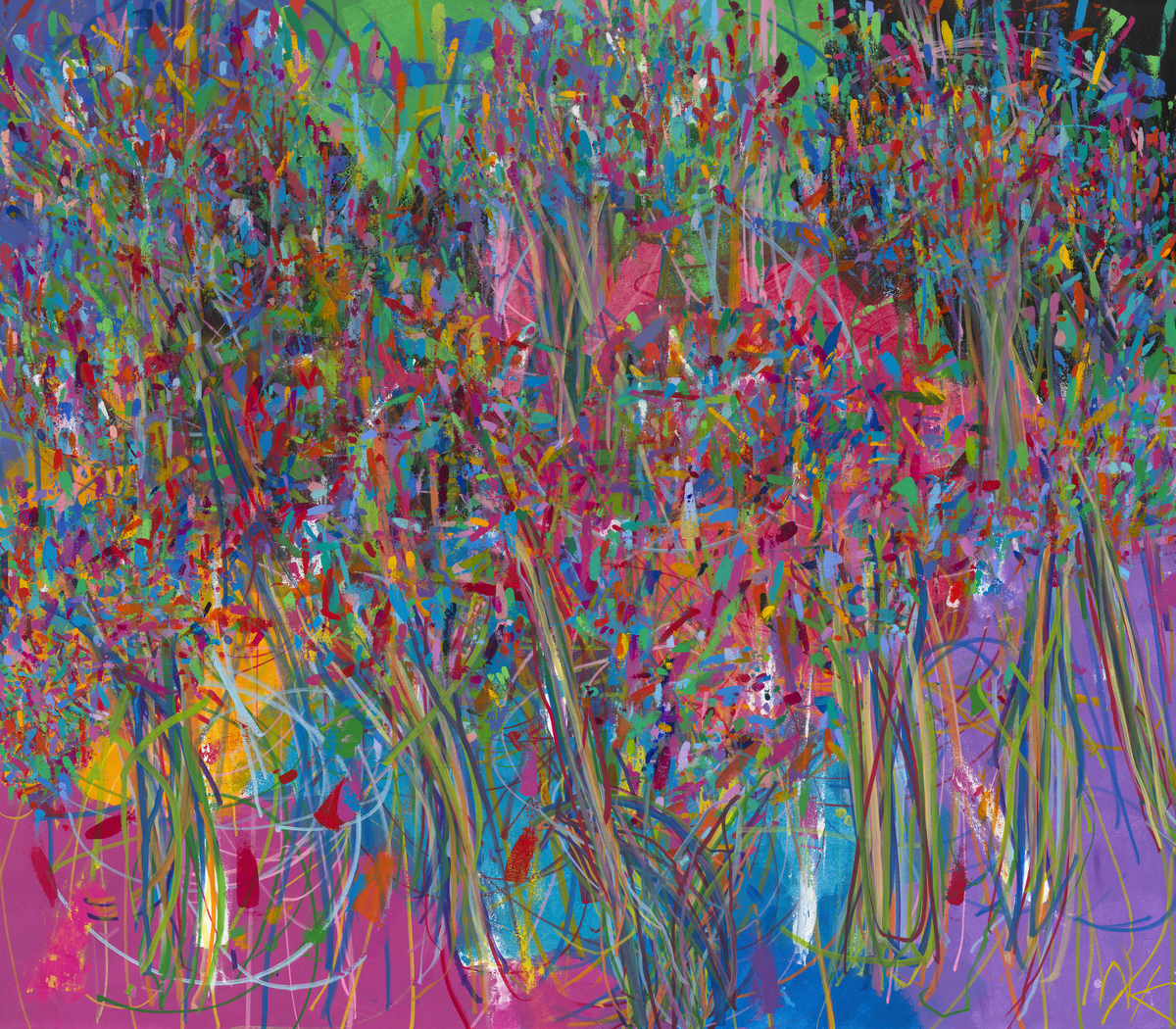
From the very beginning, his paintings drew people in. His exhibitions attract large crowds, and there is an incredible momentum around his work.
– What did it mean for Nicholas to exhibit his work publicly, and how were those experiences?
Exhibiting his paintings was transformative. All four of his grandparents immigrated to America from Greece, so his return for the recent exhibition in Athens at the incredible Goulandris Museum carried special meaning for all of us. That show was not only an artistic milestone but also a platform for full inclusion and accessibility, welcoming people of all ages and abilities into his world.
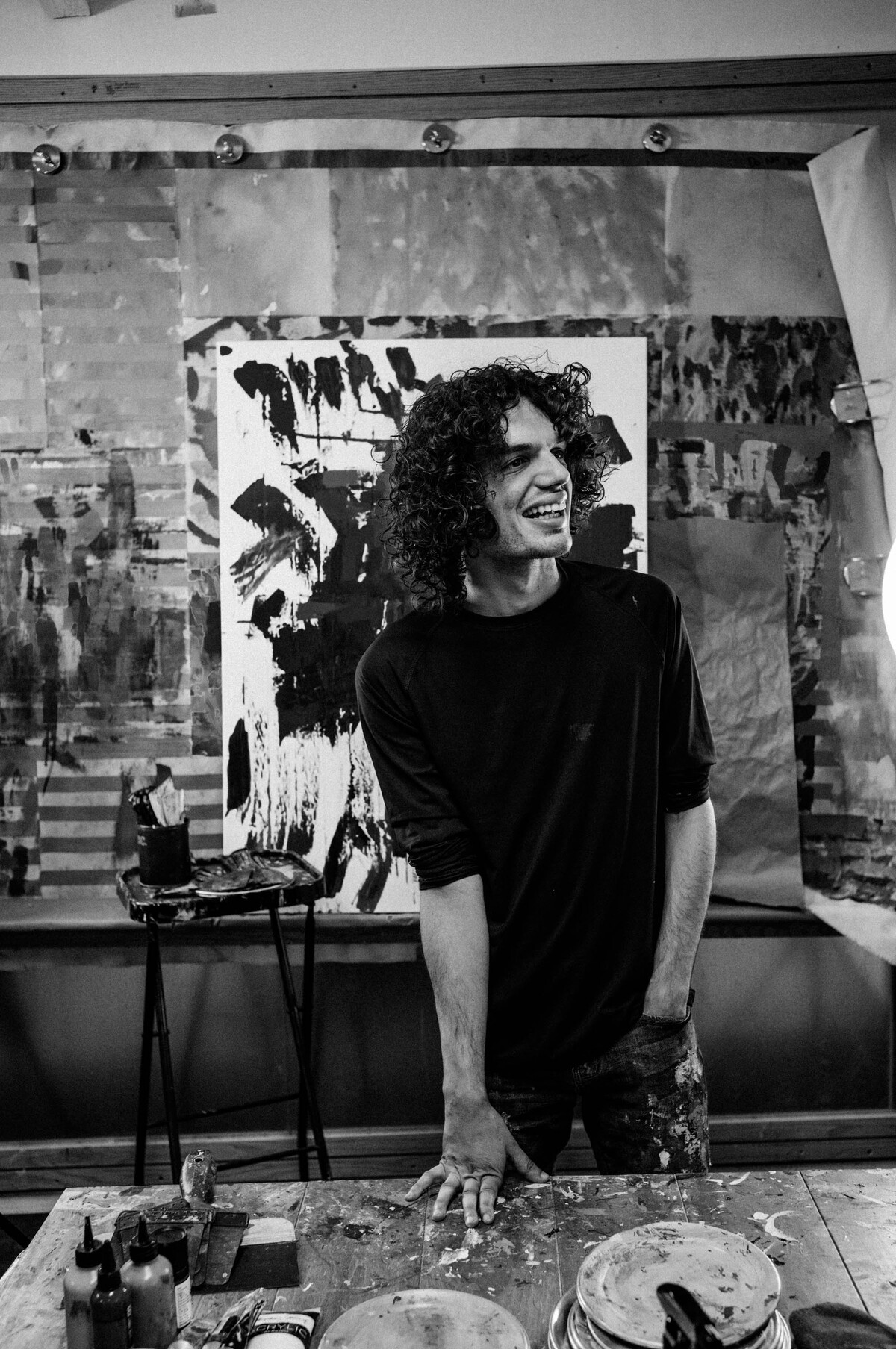
In that moment, the isolation of epilepsy gave way to a wider embrace, reminding him that his practice could create connection rather than distance. It is beautiful to know that Nicholas’s paintings, quietly formed and faithfully shaped through his struggles, can touch another soul, linking him to the viewer in the hidden burdens they both carry, and reminding us all that change does not always come through what we suffer, but through how we embrace our hardships.
– What role has faith or spirituality played in Nicholas’s journey?
Nicholas’s Orthodox faith has been the lifeline that makes everything possible. The beautiful icons of the Church inspired him from his earliest years. The holy sacraments sustain and strengthen him, surpassing all other medicines.
– What message would you share with other parents living through a similar situation?
I would tell them that difficulty does not have to mean the end of everything. Illness, challenges, and the daily struggle will place obstacles in the way, but they don’t have to completely block the path. Joy and hardship can exist side by side, and the beauty of life can still be experienced.
Hardship can become something we learn to walk alongside, rather than an enemy we must constantly resist.